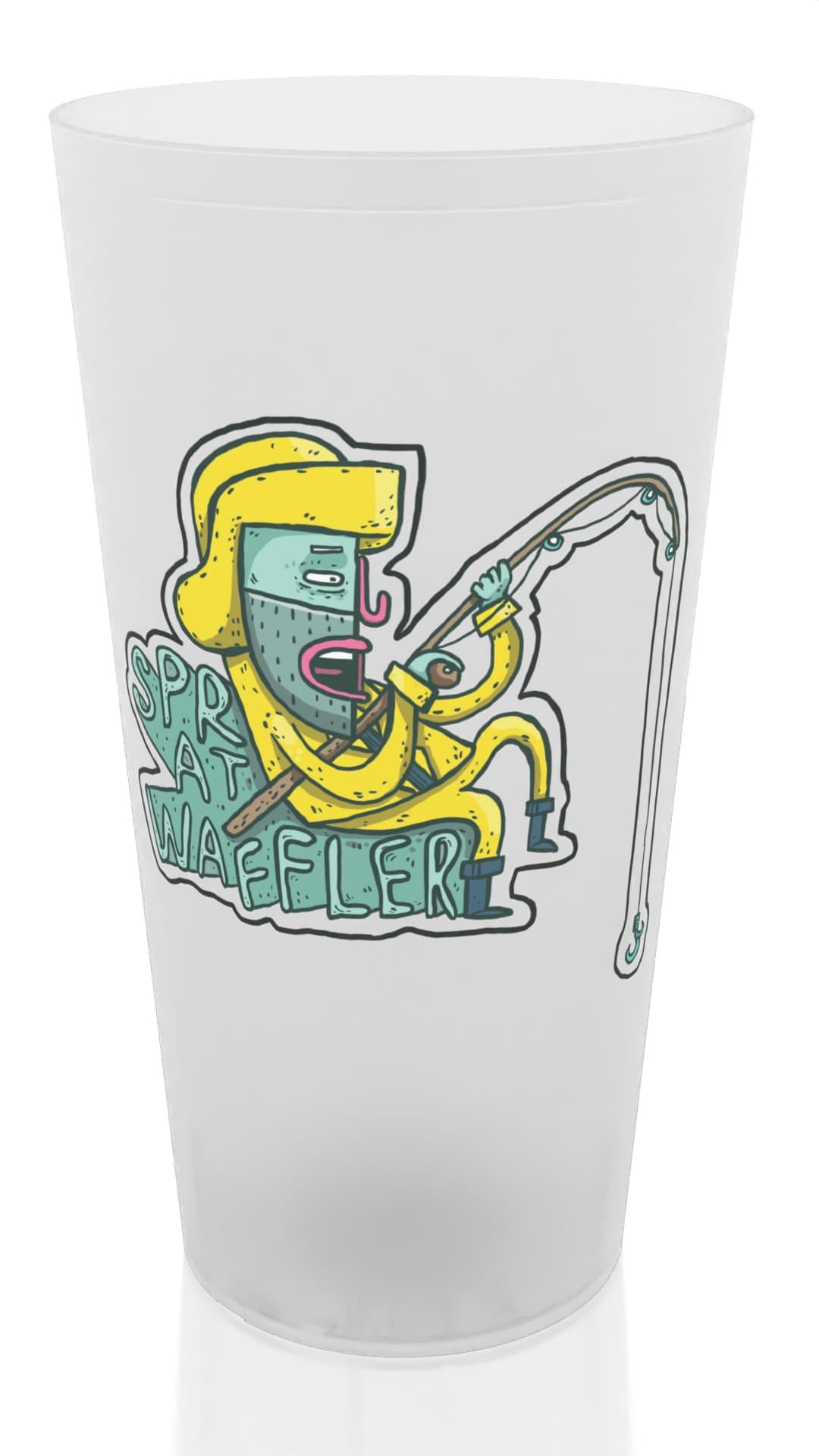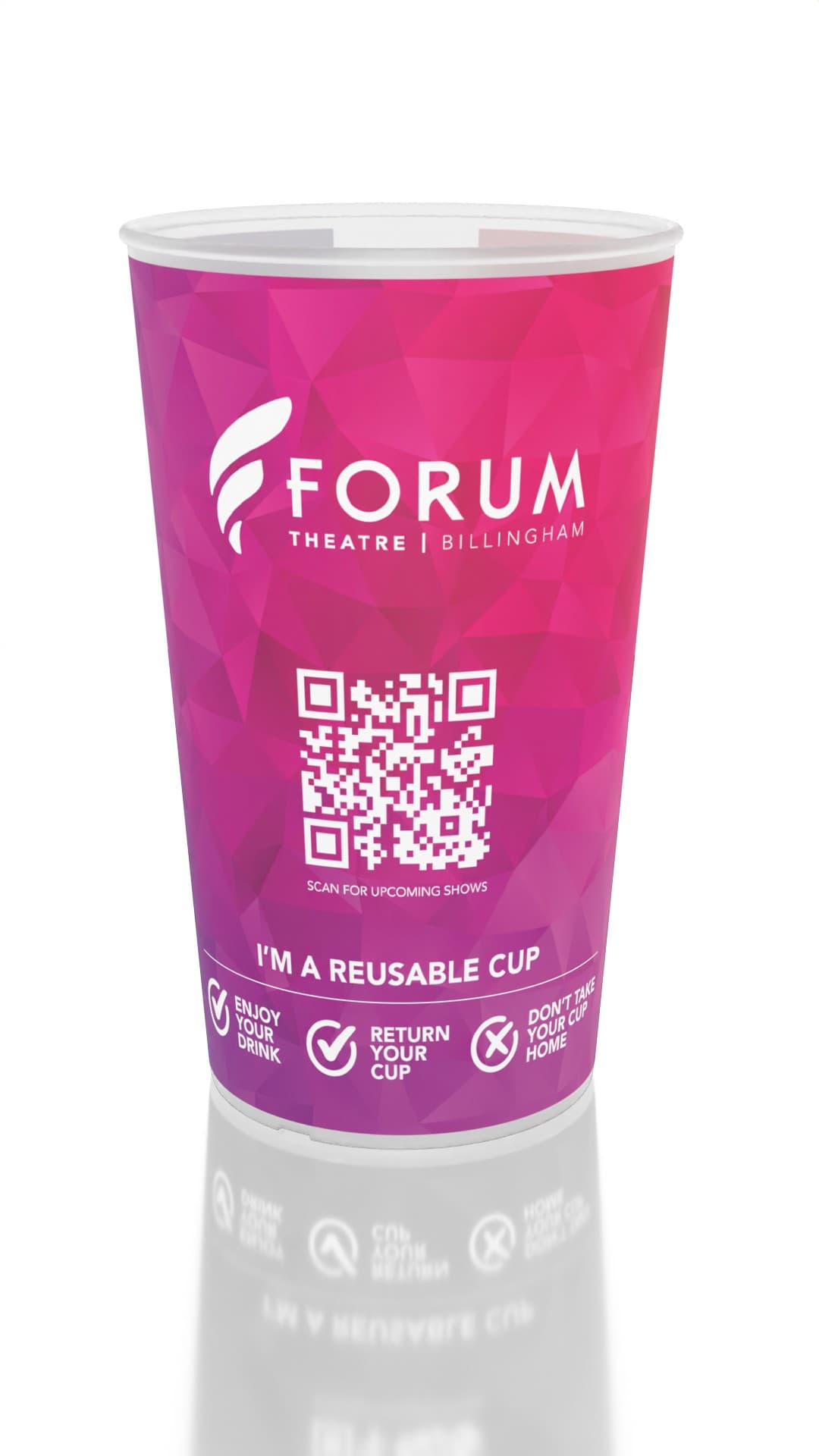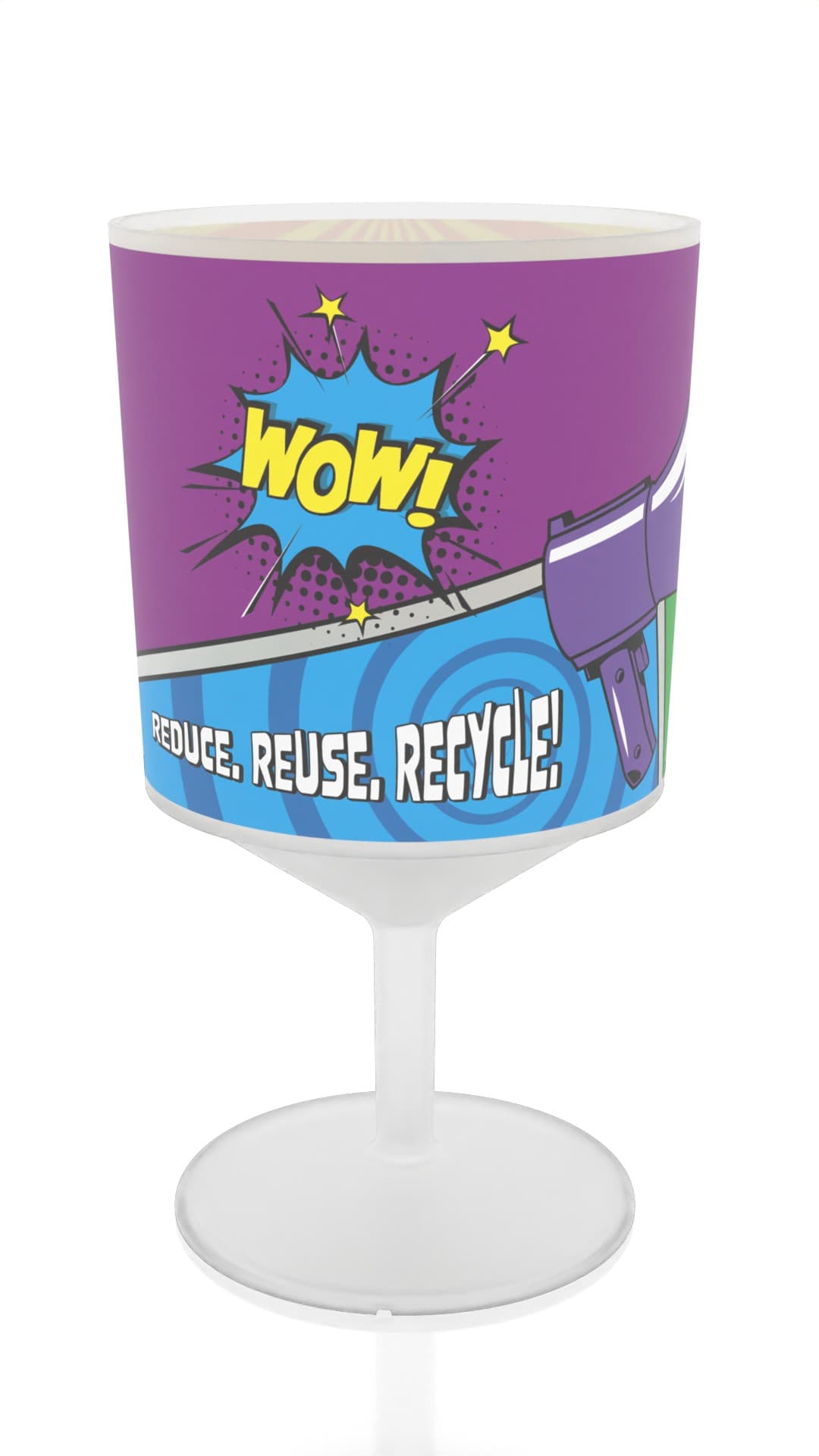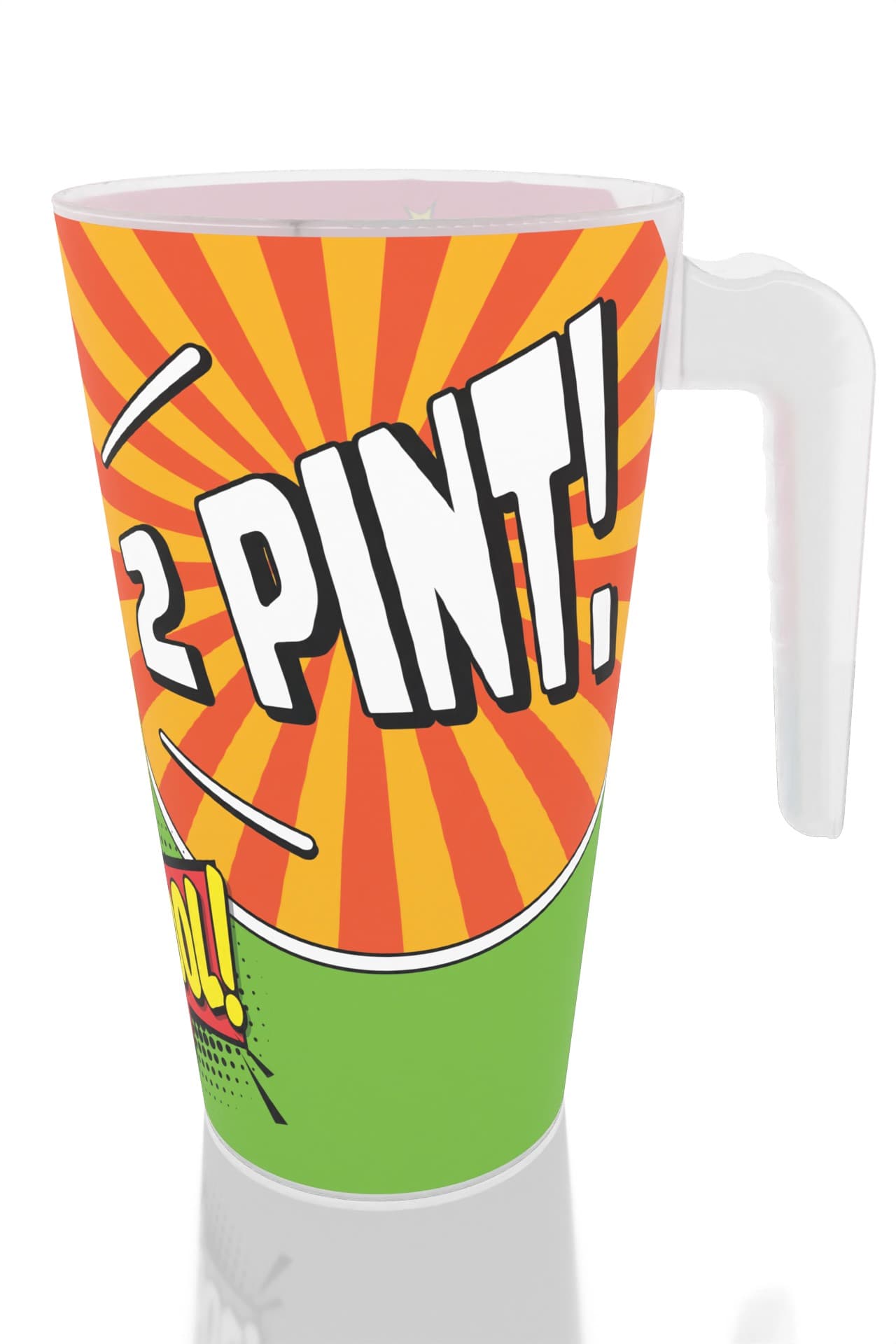
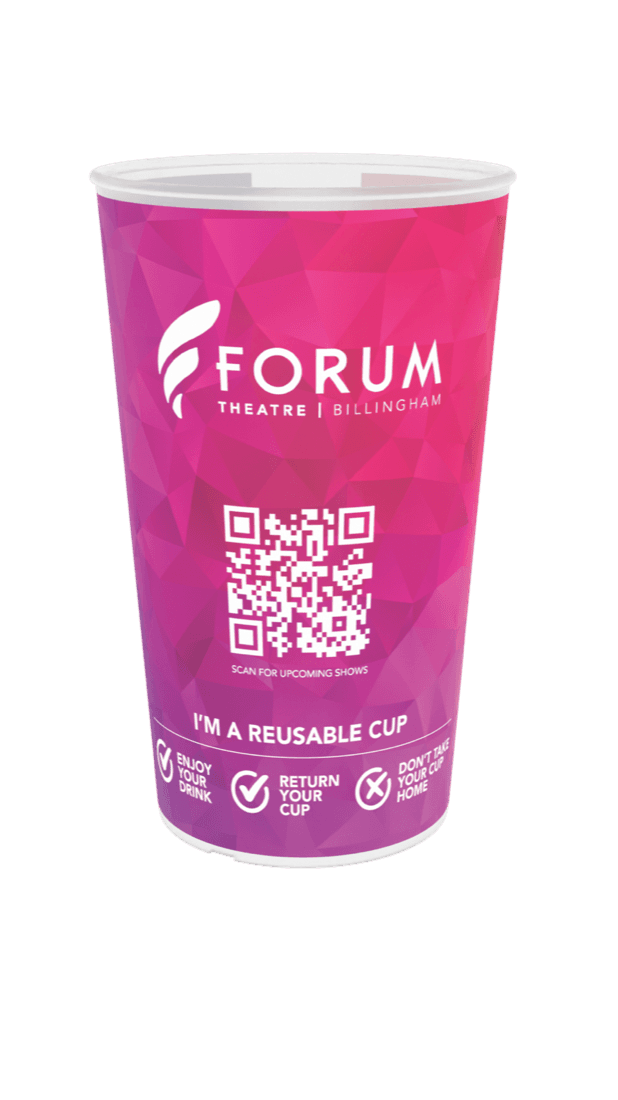
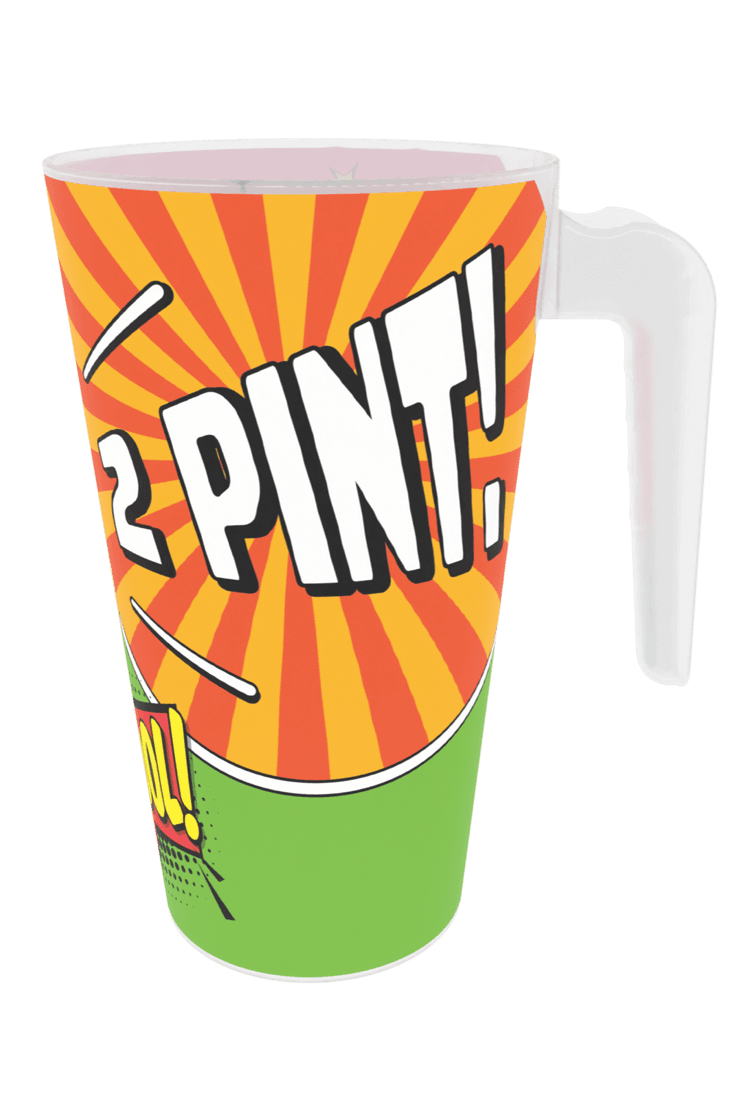
The cup is the cheapest piece of marketing you will buy this year
Stand outside any tap takeover, beer festival or brewery yard and count the branded cups in hands. Each one is a walking advert that the brewery paid for once and now travels home, ends up on social posts, gets reused at the next gig and shows up on a kitchen shelf for years. The cost per impression is rounding error. For most breweries and taprooms we work with, a printed cup pays back its order cost in marketing reach inside its first weekend.
The loyalty loop, step by step
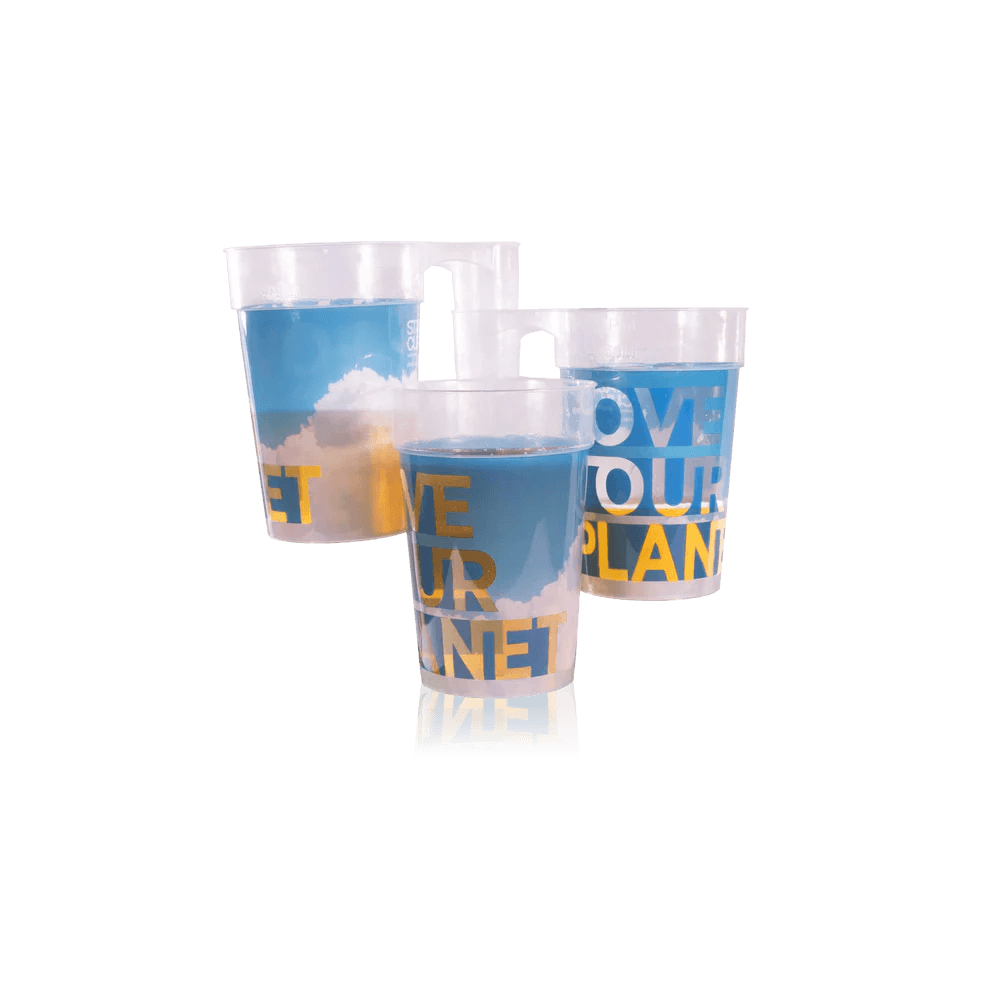
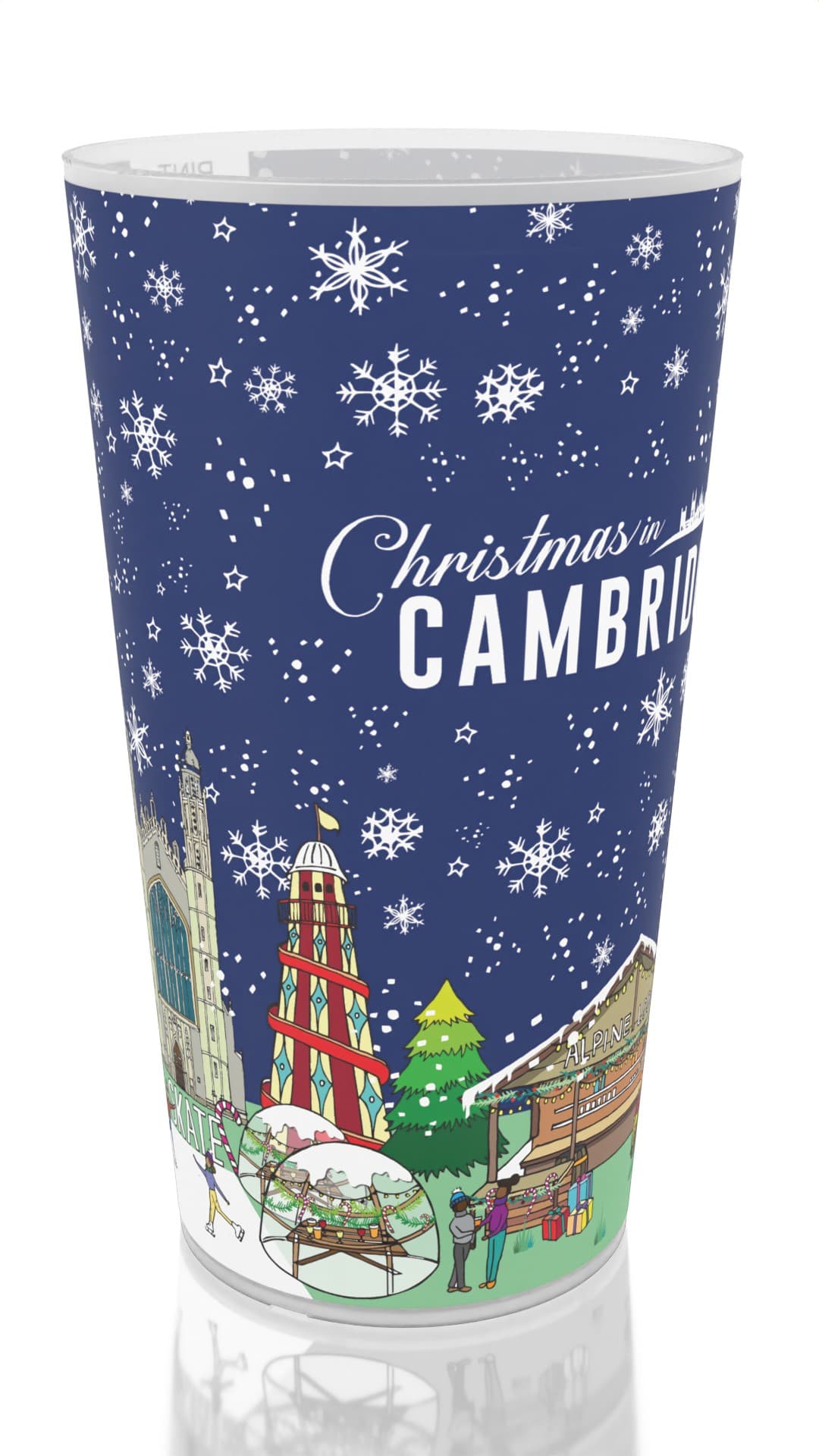
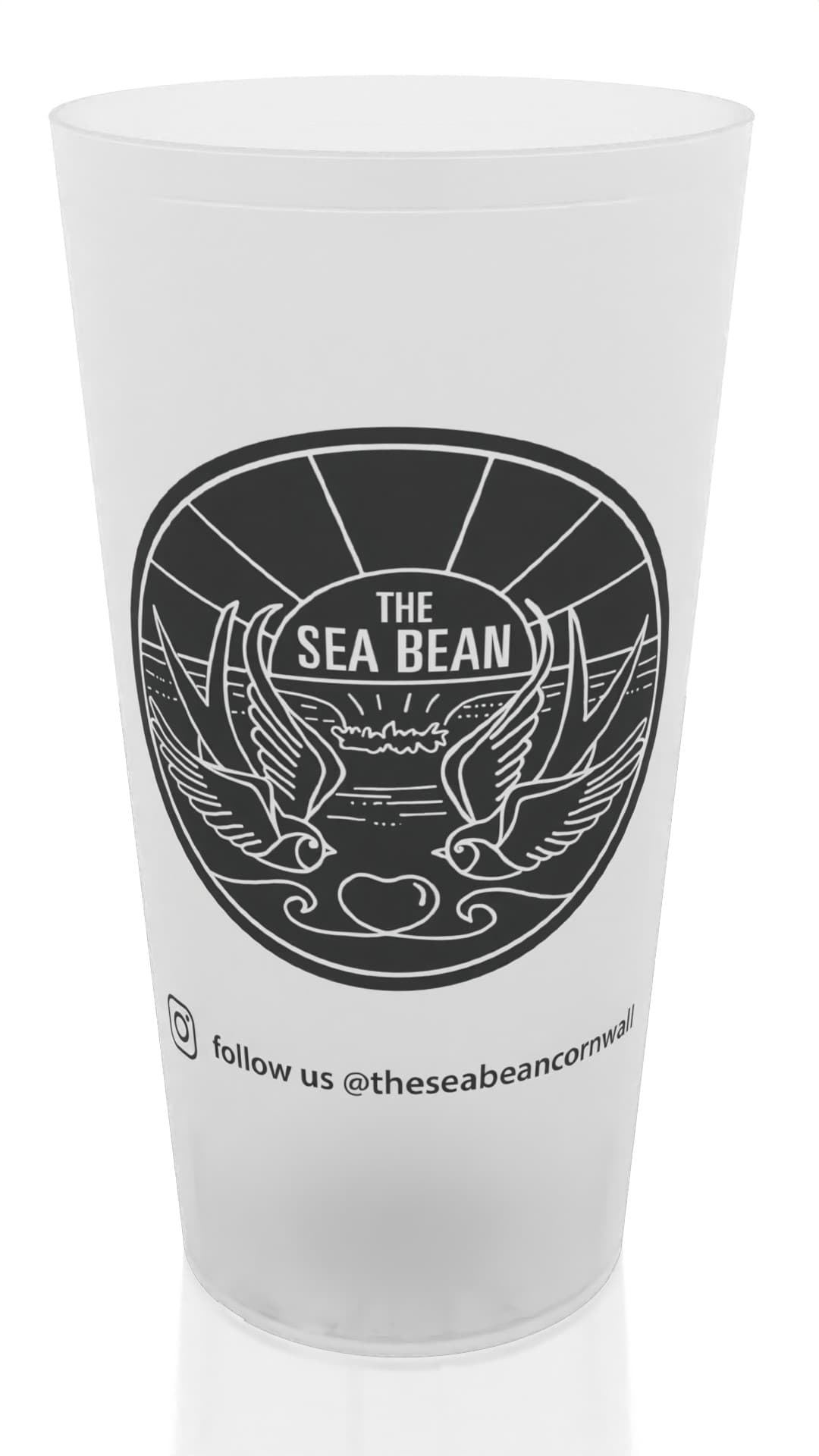
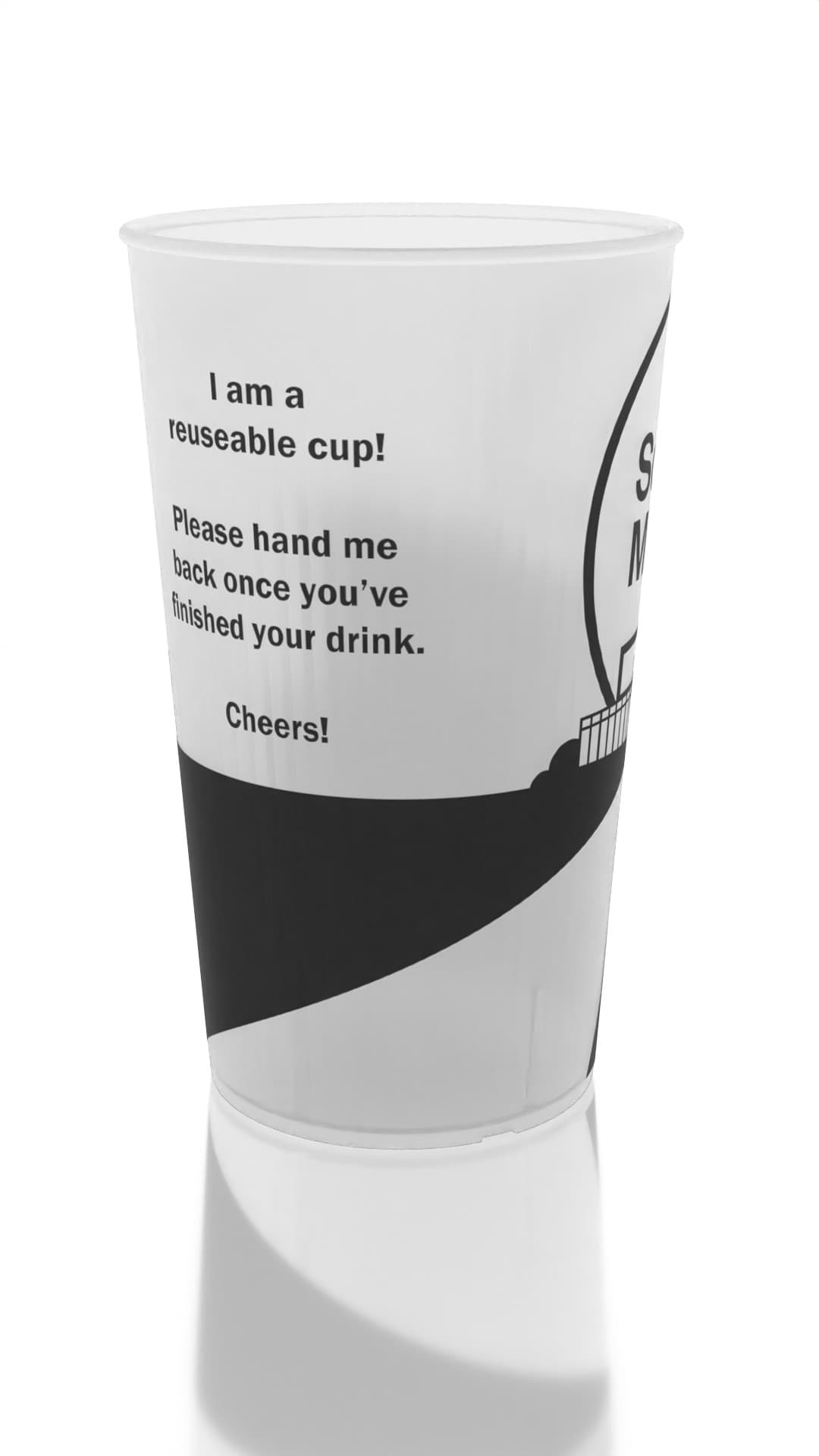
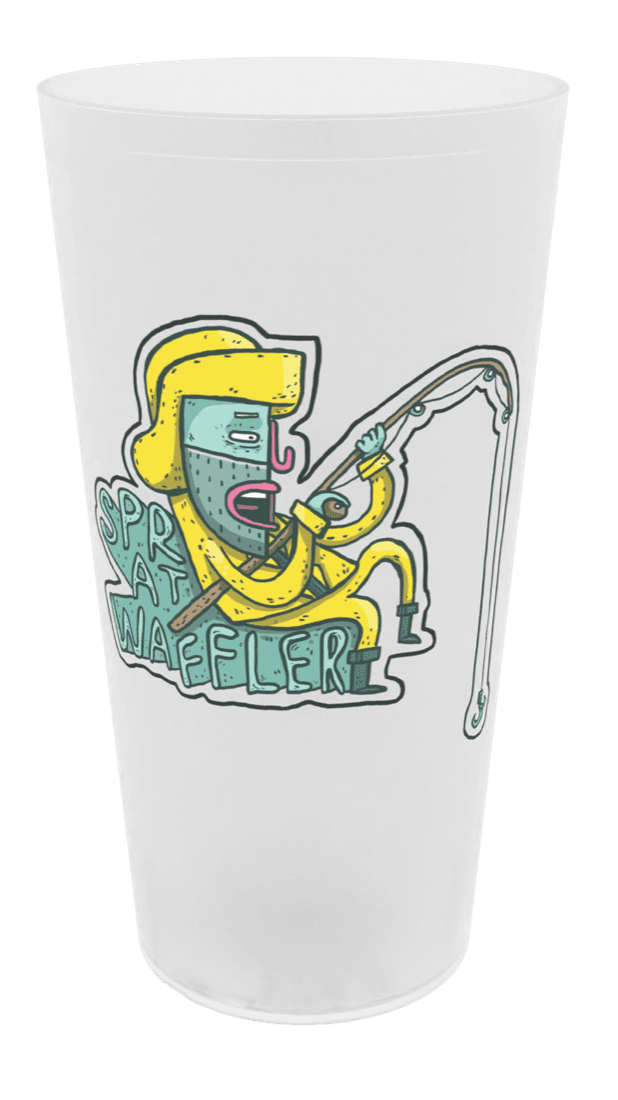
- Print a cup that looks like your brand, not your logo. Customers should be able to tell whose taproom it is from across the room. That means full-bleed colour, IML for crisp graphic work, and a layout that does not try to fit five pieces of information on a curved surface.
- Deposit the cup at £2 over the bar. The deposit anchors the cup in the customer's mind as something with value. See the deposit-return piece for the redemption maths.
- Allow keepsake take-home. If a customer wants to keep the cup, charge them the deposit and let them walk. Each take-home cup is a marketing artefact that travels.
- Refill on return. For locals, accept the cup back at the bar for a refill of any draft. A regular with their own taproom cup is a customer you have locked in.
- Sell limited runs. Anniversary cups, collab cups, one-off seasonal designs. Beer customers collect, and a £6 limited cup behind the bar is pure margin.
Cellar and bar workflow
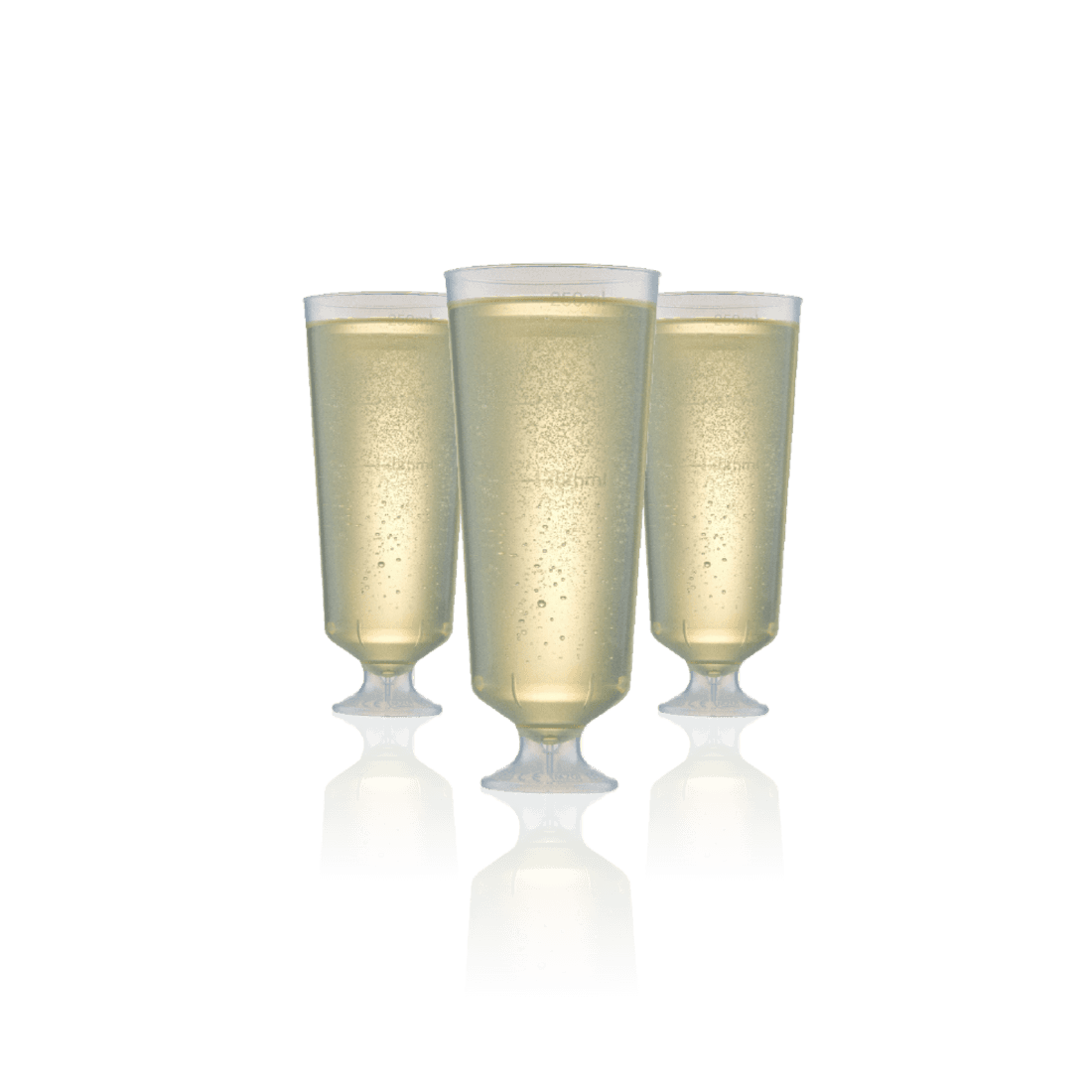
A branded cup is more than a marketing tool. In a busy taproom it integrates with the bar workflow. Pint to line cups carry the legal UKCA mark moulded into the wall, so cellar managers can put them straight into rotation without a compliance question. Half pints work the same way. Both formats sit in stack crates that fit standard commercial dishwashers. The stack cup variant of the pint format is shallower and stacks tighter, useful if your back-bar shelf space is limited.
For brewery taprooms running cask through a beer engine, the head space on a pint-to-line cup matters. The 50-60ml head room above the legal line gives cask conditioned beers somewhere to settle, which is essential for service. See pint to line vs pint to brim for the distinction.
Order sizing for a taproom
Most taprooms we supply order in three cycles a year. The pattern looks like this:
- Spring drop (March / April): the headline seasonal print, often a fresh colourway or anniversary design. 1,000 to 3,000 cups depending on taproom size.
- Summer top-up (June / July): pure volume restock, often unbranded UKCA stock from our stock range to bridge until the next branded run.
- Autumn drop (September / October): the next branded design, sometimes a beer-specific tie-in for a flagship release.
This cadence keeps customer interest up (collectors come back for the new design), maintains cup pool health (old cups retire as new ones come in), and spreads the spend evenly across the financial year.
Lead times for taproom orders
For a branded seasonal drop, sign off artwork at least eight weeks before you want the cups in the bar. That gives comfortable headroom on Eco Saver tier production at 25 working days plus a fortnight of buffer for proofing and delivery. For a tighter timeline, Standard tier at 10 working days works. Both tiers are detailed on the delivery page.
Repeat order cadence and pricing
Repeat orders on the same artwork run faster and cheaper than first orders, because the IML labels are already proofed and the press setup is on file. Most of our brewery customers see unit pricing tighten on the second and third runs as we build a regular slot into the production schedule. Ring 01642 615757 or browse the branded cups range to start an order.