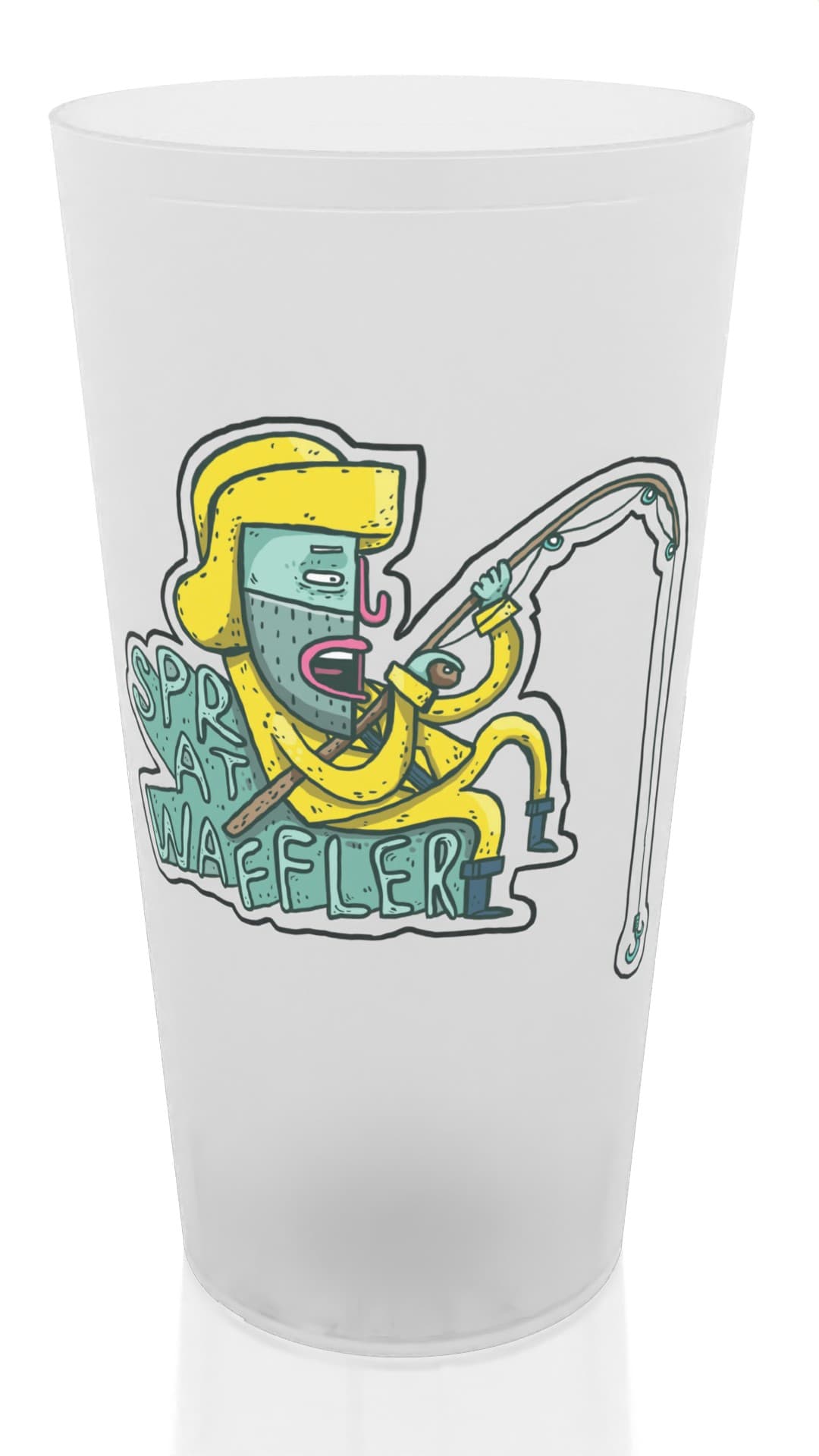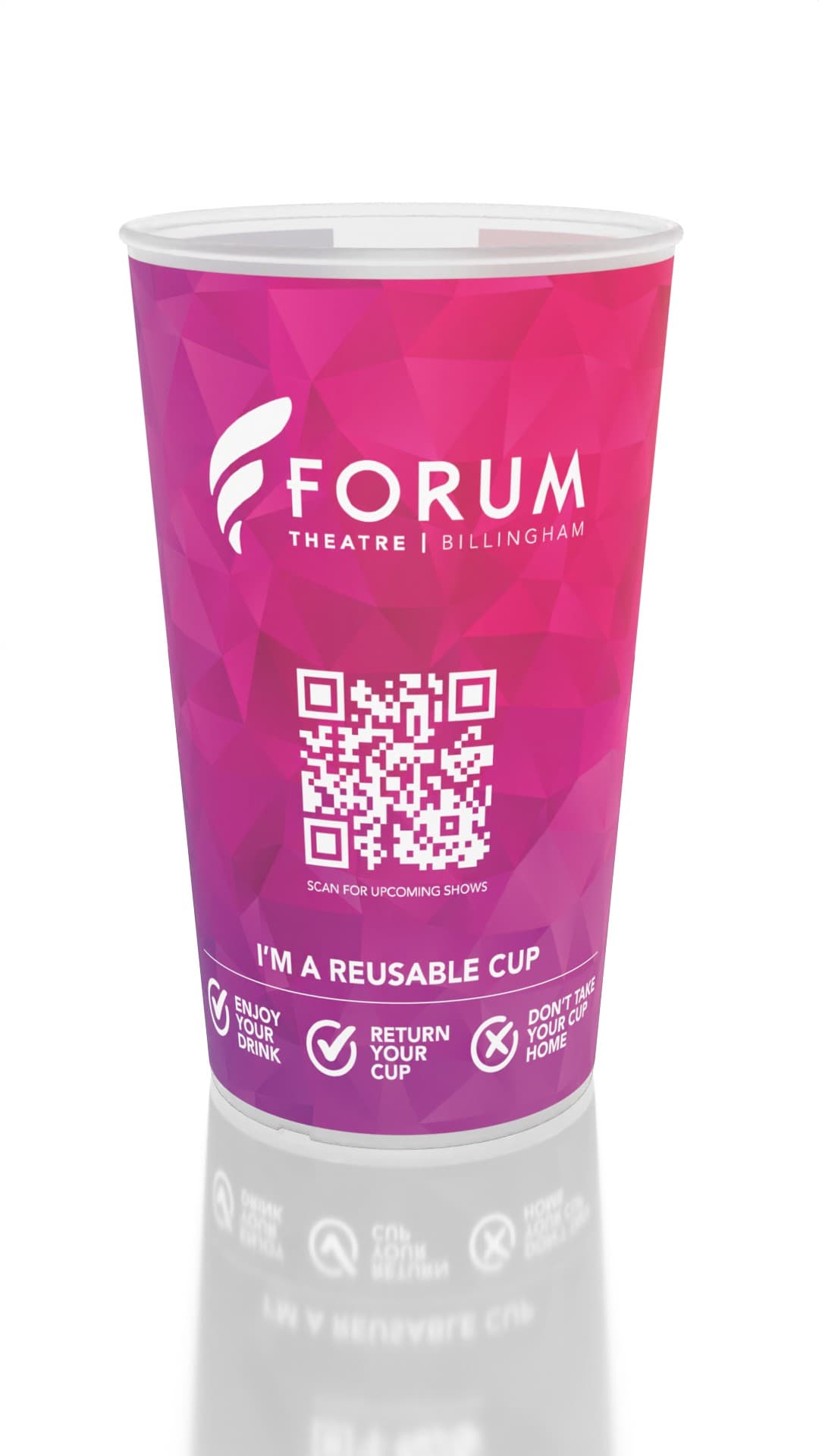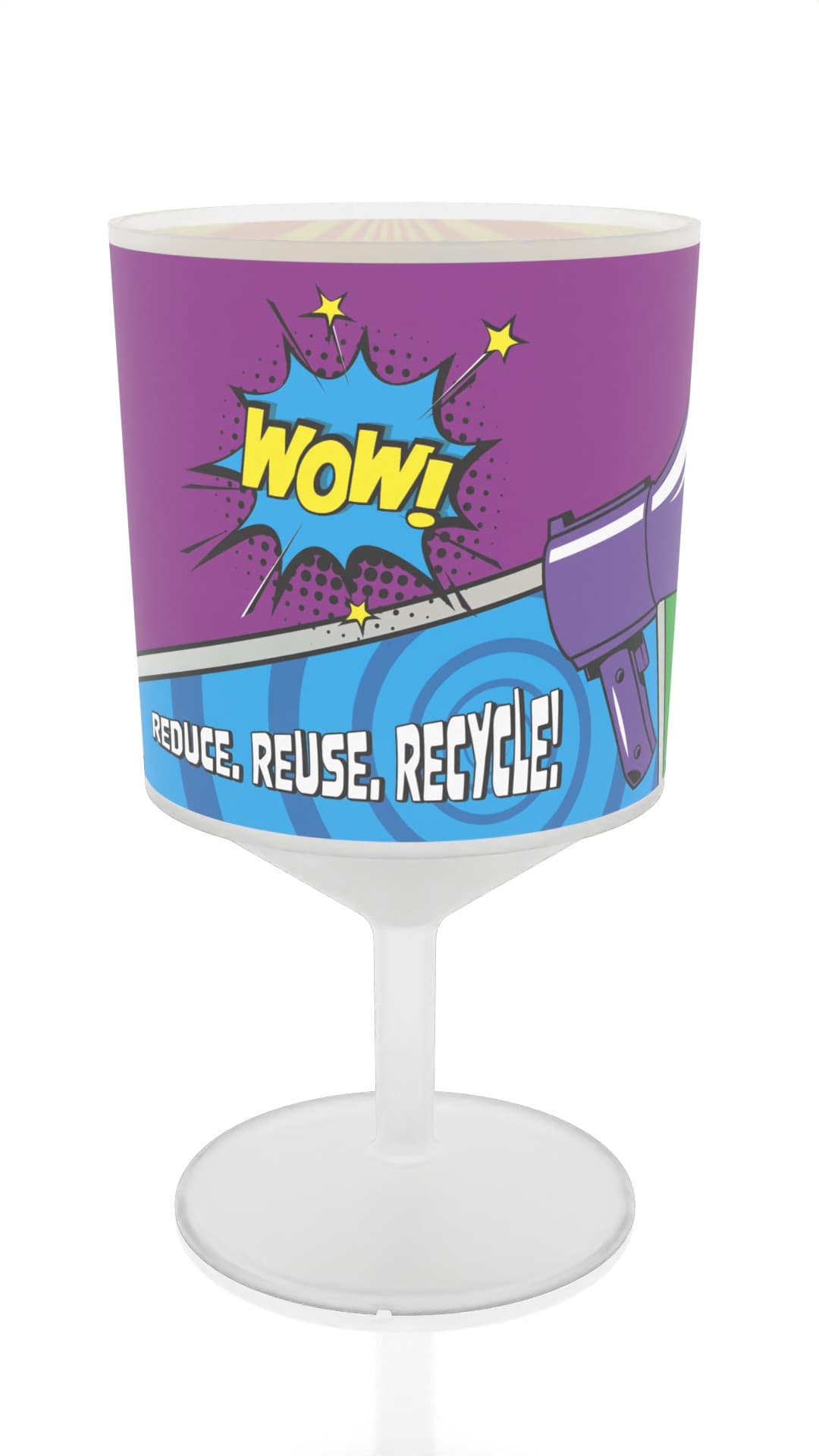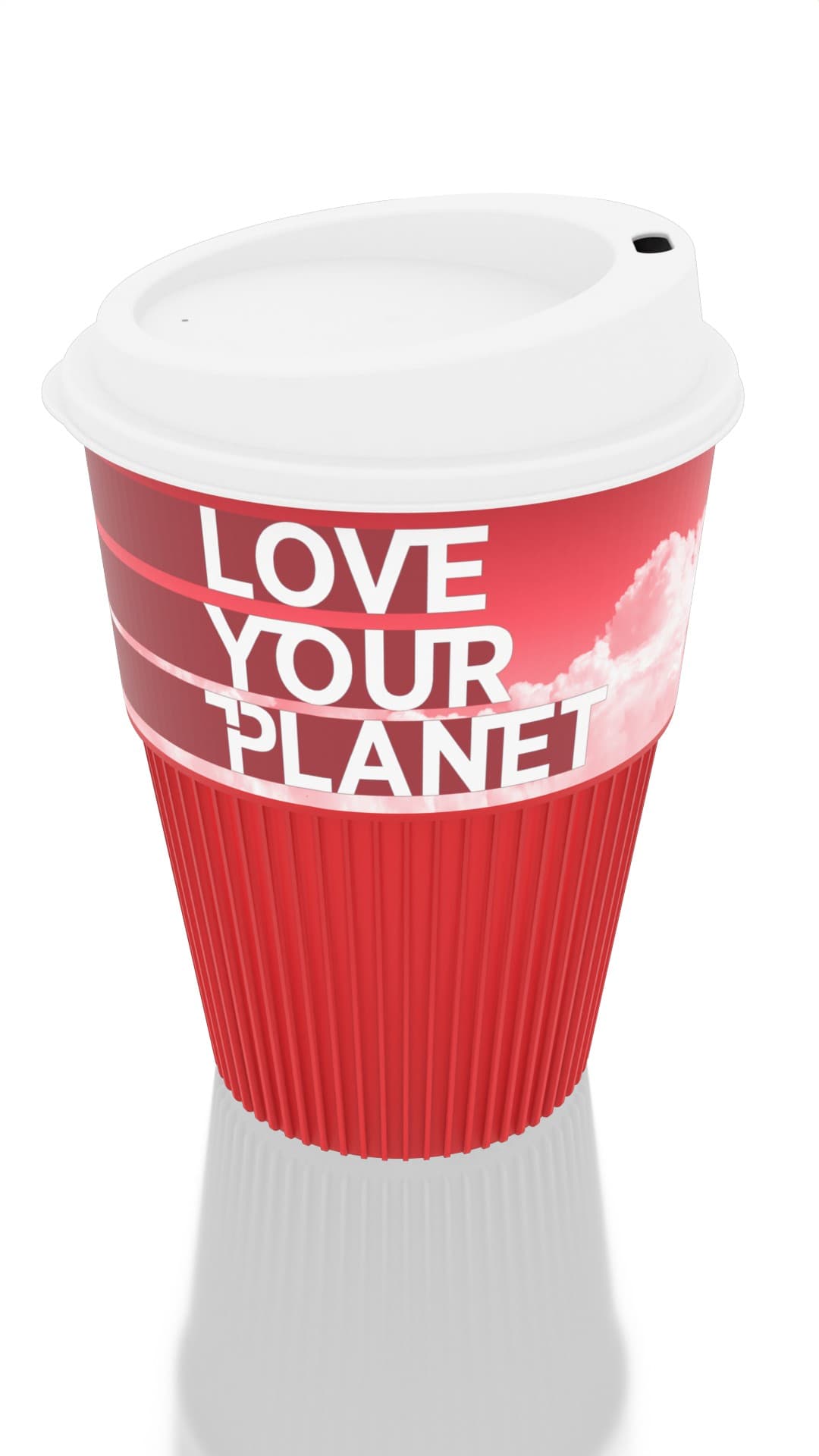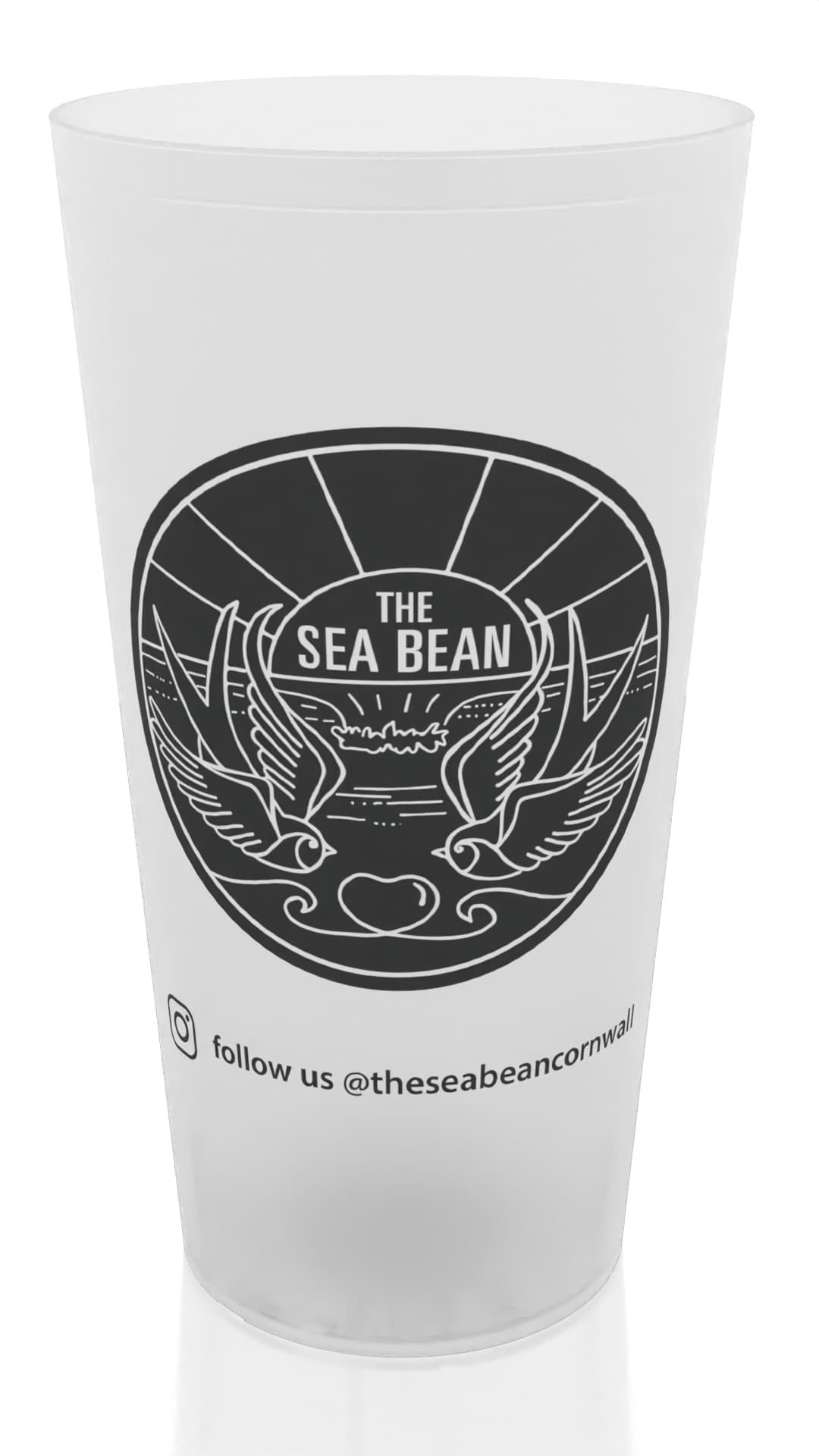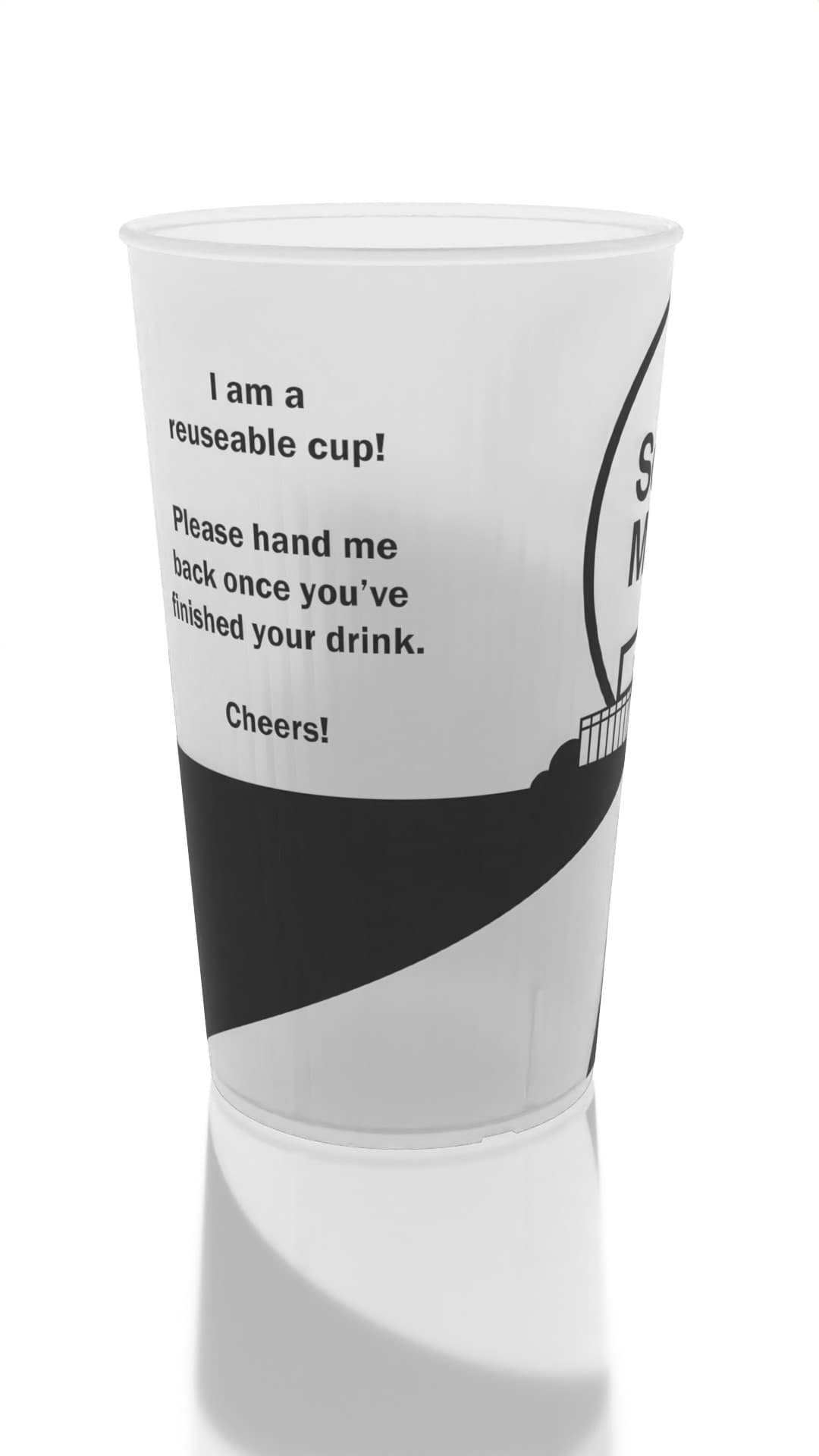
Two genuinely different processes
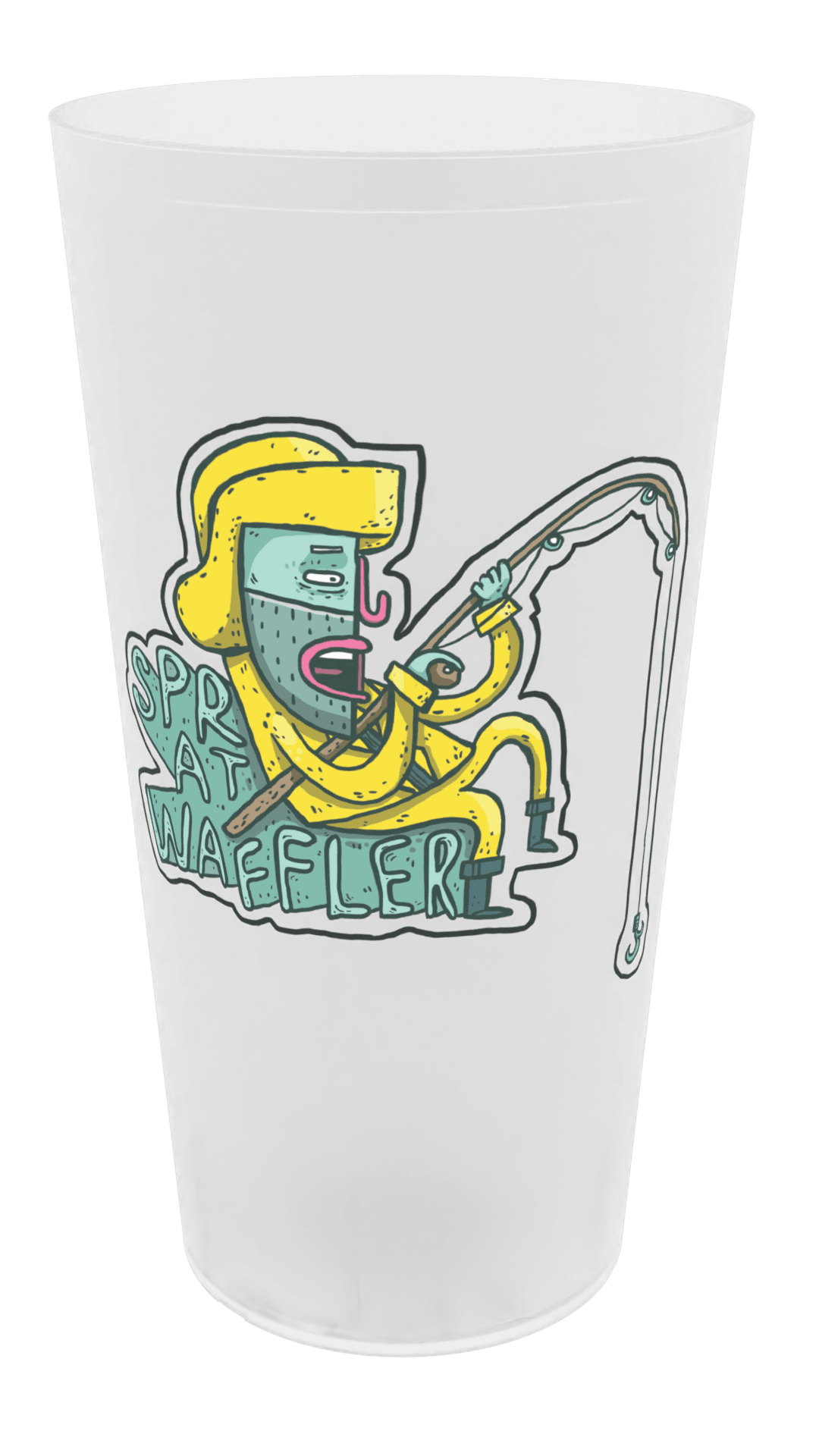
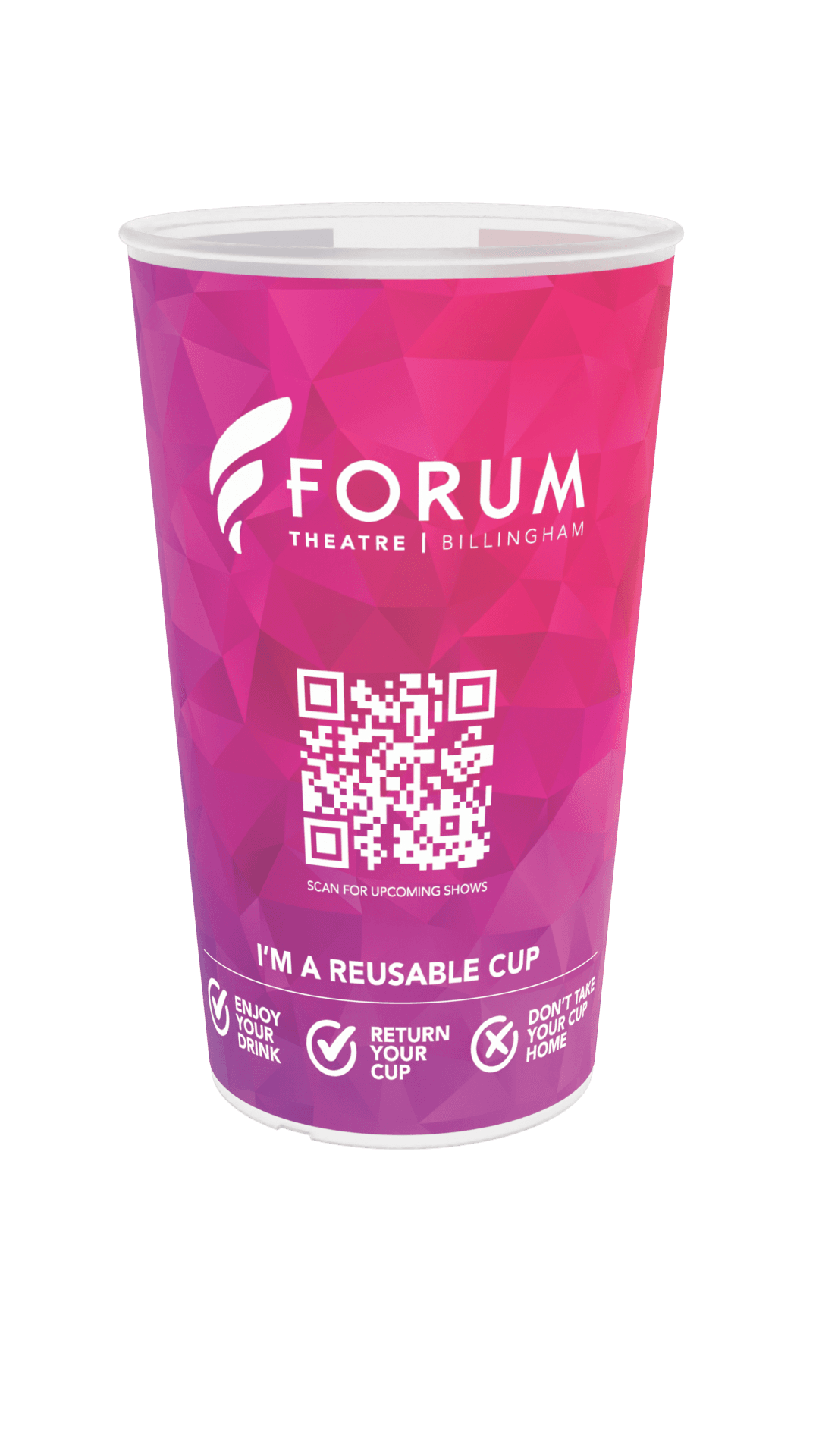
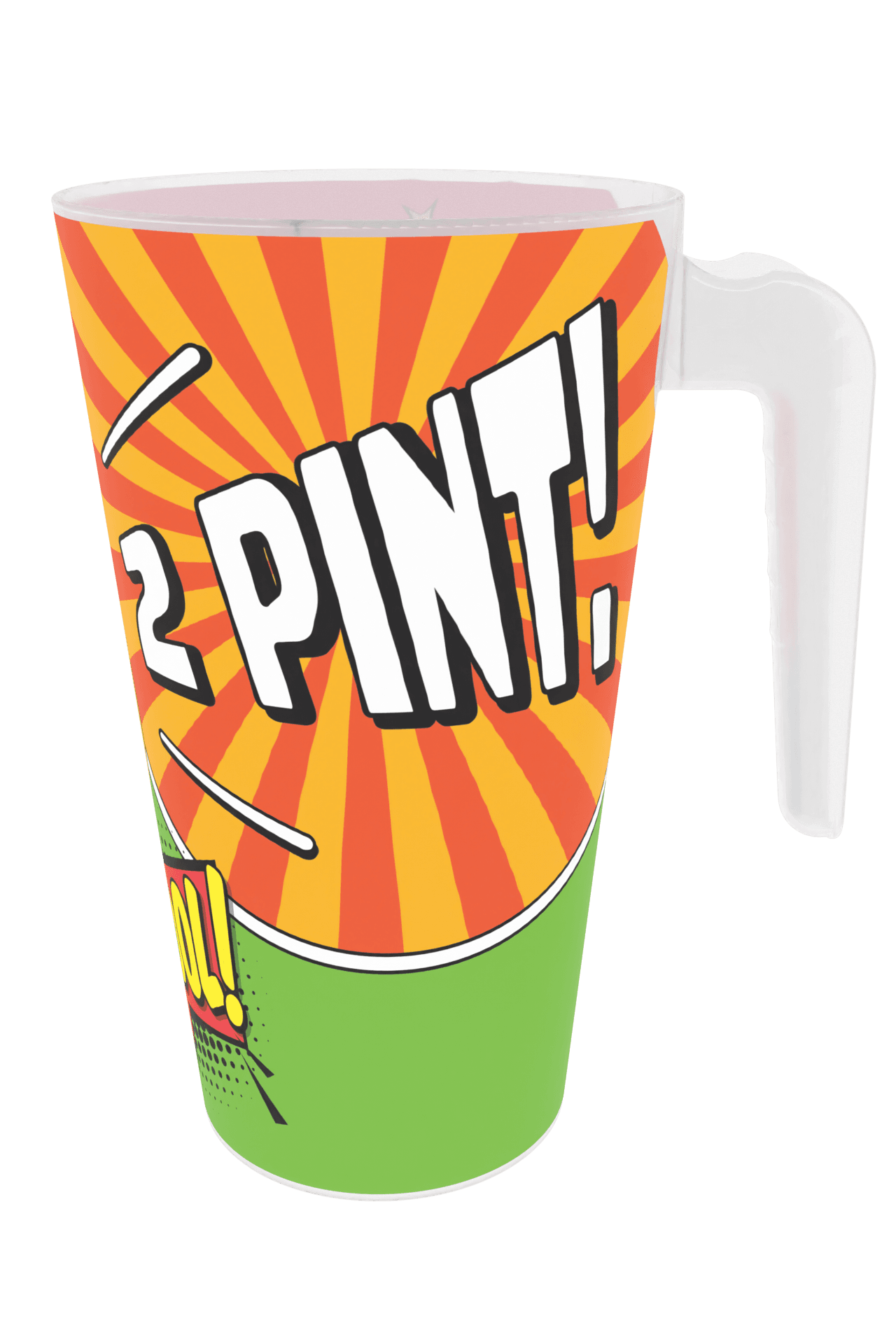
People talk about cup printing as if it is one thing. It is not. In-mould labelling and screen print are different processes that produce different visual results, suit different volumes and price differently. Picking the wrong one will either cost you money or compromise the look of the cup. Both are good processes, both produce durable prints. They are just optimised for different jobs.
In-Mould Labelling, in plain English
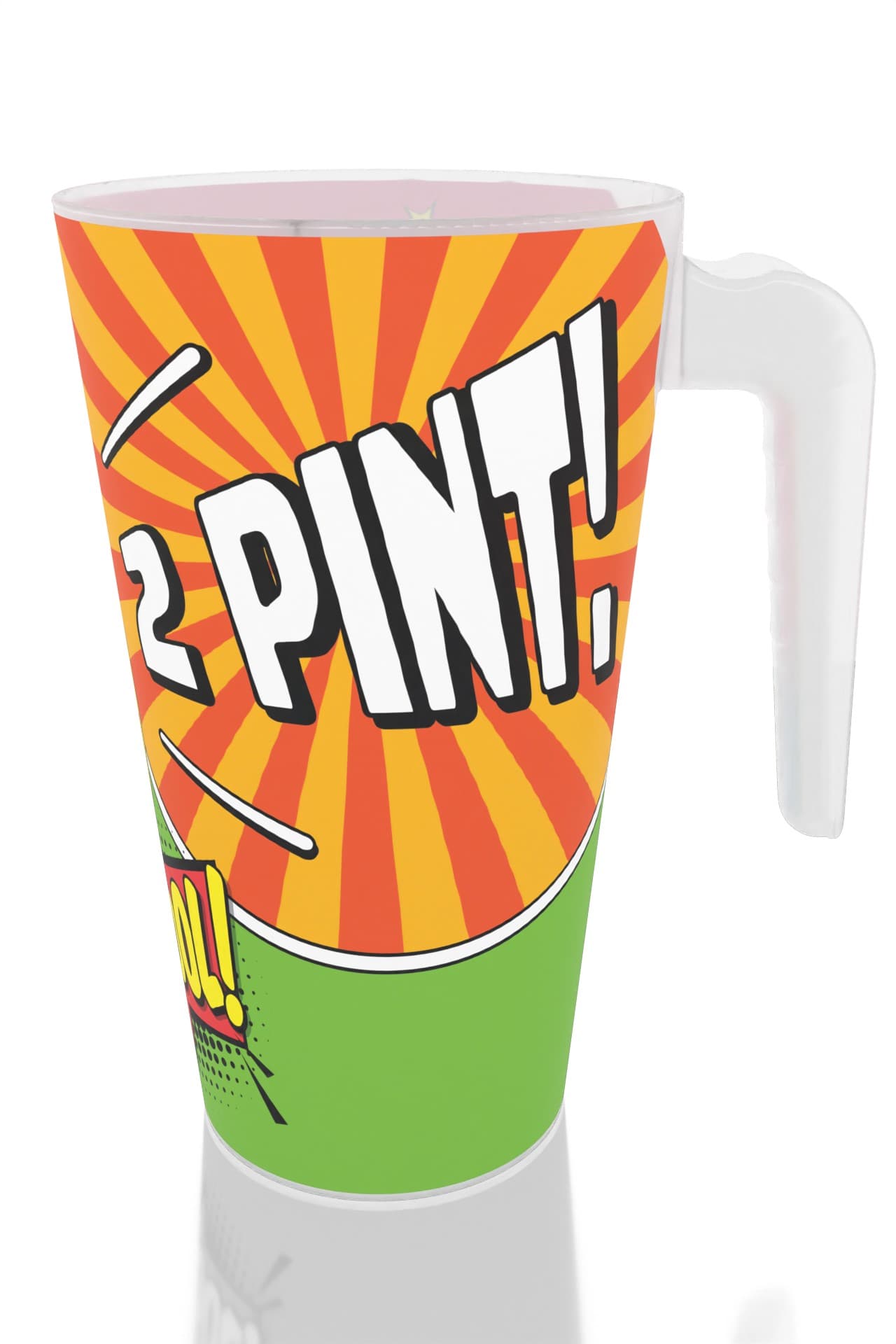
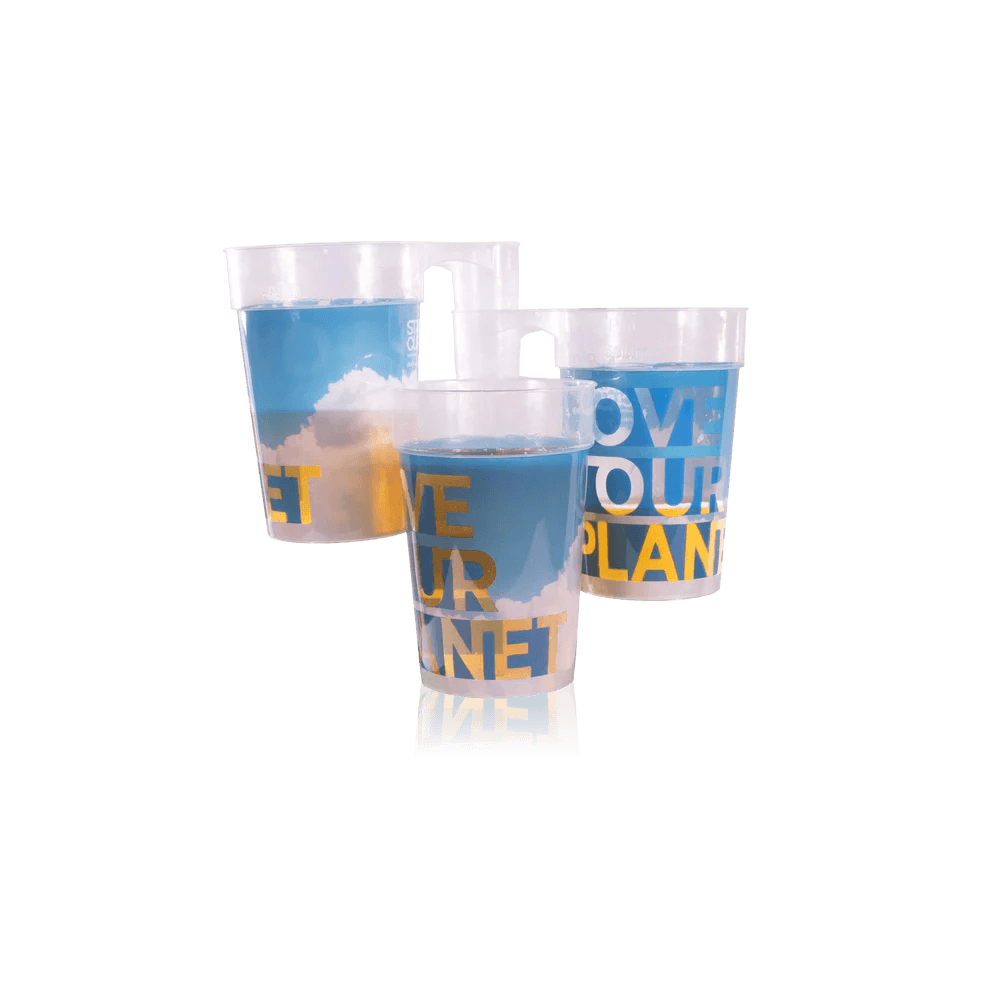
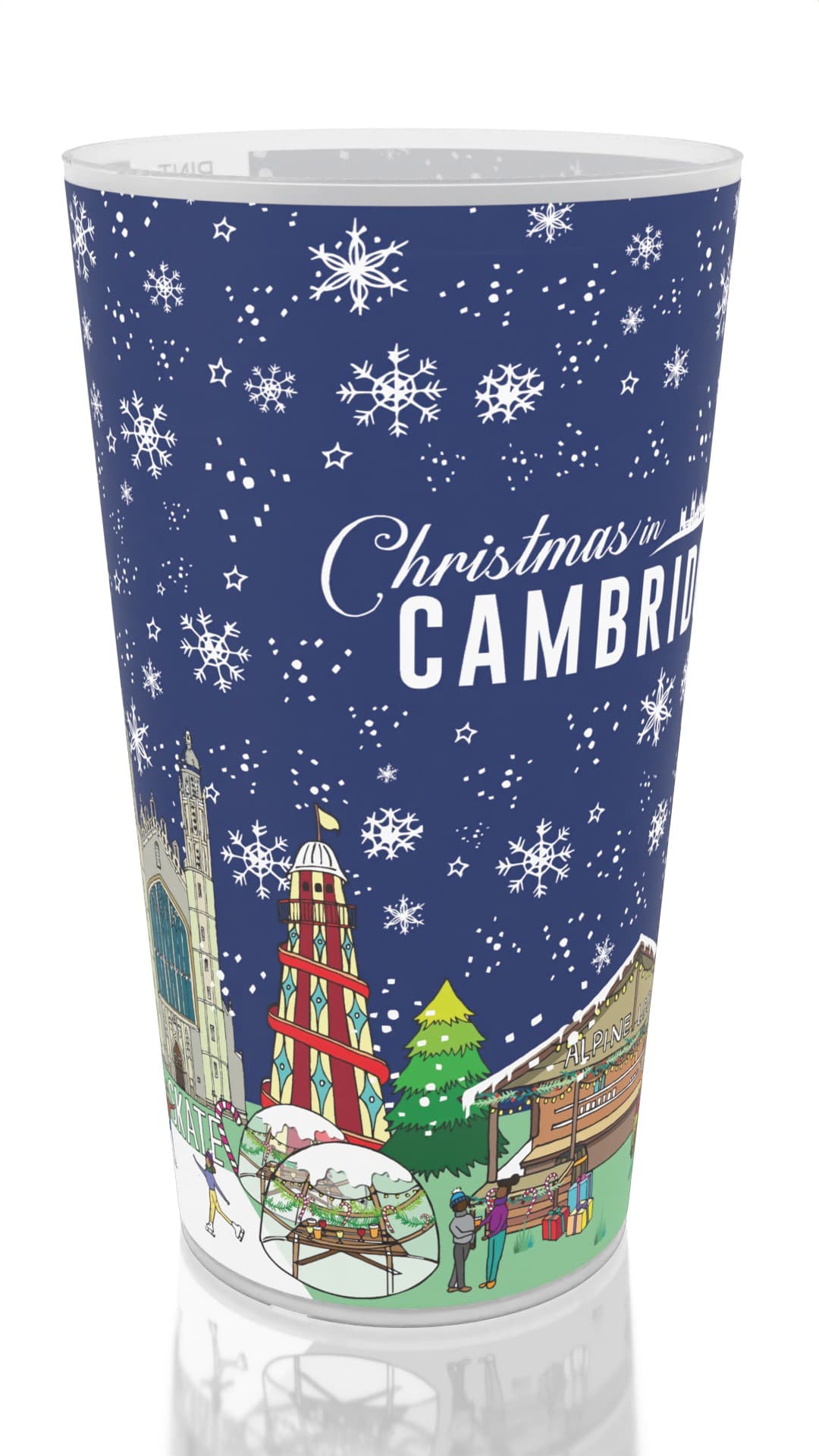
IML embeds a printed polypropylene label into the cup wall during the moulding step. The label is positioned in the mould, then molten polypropylene is injected, fusing the label into the cup as a single piece of plastic. The print is not on the cup, it is in the cup. The strengths follow:
- Full-colour photographic print at no upcharge. Four-colour process work, gradients, photography, complex artwork. Because the label is printed flat before insertion, you pay for one tooling step regardless of colour count.
- Indestructible. Cannot fade, peel, scratch or wash off because the print is part of the cup wall. We have seen IML cups come back after 250+ wash cycles with print still legible.
- Premium look. Sits flush with the cup wall, no raised ink texture, no print line.
- UKCA mark integration. The fill-line and UKCA mark can be moulded directly into the cup wall alongside the IML print.
The trade-offs: higher minimum order quantity (typically from 500 to 2,000 depending on cup model), a setup cost amortised into the unit price at low volumes, and a longer artwork sign-off because the label has to be proofed and produced before press time.
Screen print, in plain English
Screen print pushes ink through a mesh stencil directly onto the moulded cup. One screen per colour, one pass per screen, cured between passes. Strengths:
- Low minimum order. 50 cups is viable, 100 is a comfortable run.
- Fast setup. Screens can be cut and proofed inside a working day.
- Clean single-colour brand prints. Solid white on a navy cup, solid black on cream, sharp wordmarks and logos. Very legible at distance.
- Cheaper at small scale. Below around 1,000 cups, screen print typically beats IML on per-unit price.
The trade-offs: each additional colour adds a screen and a press pass, so cost scales with colour count. Photographic and gradient artwork does not translate well. Print sits on top of the cup wall, so although it is durable, it is not as bulletproof as IML over many hundreds of wash cycles.
A decision framework
- Going under 500 cups, one or two colours, simple logo: screen print, always.
- Going over 2,000 cups, multi-colour or photographic artwork: IML, always.
- 500 to 2,000 cups, two-colour logo: request both quotes. The break-even depends on cup model and colour count.
- Sponsorship cup with photography or four-colour logo on a third-party brand: IML, regardless of volume. The sponsor sign-off is far easier when colour fidelity is guaranteed.
- Last-minute community event: screen print or unbranded stock, depending on lead time. IML cannot be rushed because the label has to be printed before the mould runs.
Artwork that prints well in both
For IML, supply vector or 300dpi raster artwork to the size templates on the templates page. For screen print, vectors with explicit spot colours print most cleanly. Both processes prefer a defined Pantone reference for brand colours, so we can hit the correct shade rather than a near-miss CMYK approximation.
What to do next
If you are unsure which process suits your cup, send us a draft brief through the cup range and we will quote both methods side by side. The cost delta will tell you which one makes sense for your volume.